
The full transcript of this podcast is published below.
Explore the full GIA podcast.
Search
The GIA Library is an information hub that includes articles, research reports, and other materials covering a wide variety of topics relevant to the arts and arts funding. These resources are made available free to members and non-members of GIA. Users can search by keyword or browse by category for materials to use in research and self-directed learning. Current arts philanthropy news items are available separately in our news feed - News from the Field.
Setting the Stage
With a population of over 2.3 million and one-in-four residents being foreign-born, Houston is the most ethnically diverse metro area in the nation. The city’s arts programs and cultural offerings are robust in number and breadth, and its vibrancy unfolds along the numerous bayous and highways. Most years see 11 to 16 million visitors traveling to the city for arts and cultural events. Houston’s nonprofit arts and culture sector, a $1.1 billion industry, employs more than 25,000 people.
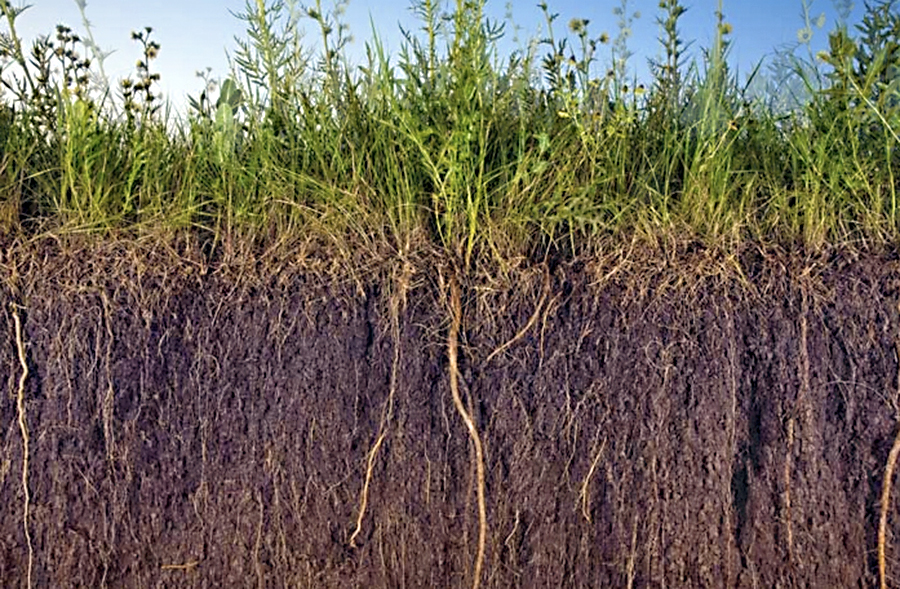
Just societies cannot grow in toxic soil. To build regenerative communities, we should look to how life flourishes in the natural world, of which we are an inherent part.
As grantmakers, we often ask our applicants to amplify their impact through collaboration, but what happens when we turn this mandate on ourselves and join forces with other funders to magnify our giving?
In February 2018, the portrait of former First Lady Michelle Obama was unveiled at the National Portrait Gallery in Washington, D.C. Within this institution of power, a Greek Revival building lined with marble floors and white columns, images of presidents and other US leaders are captured in traditional oil paintings. In envisioning their own portraits, the Obamas made bold choices, which differed from most of their predecessors’ in the artists who were chosen to paint them and the styles in which they were portrayed.
 Culture, Equity, and Cities (1.5Mb)
Have you ever begun to just notice something and then suddenly you see it everywhere. Then you wonder, have I been out of it, or did this just become a thing?”
As arts funders, we know that extensive research has shown that the presence of arts and culture activities at the neighborhood level can improve health and safety and promote a sense of well-being among residents. But how do we identify what activities already exist in a community and, as important, where there are gaps so we can be proactive in advancing a community’s livability?
During the past two decades, cultural planning practice in the United States has fallen behind that in parts of the world where cultural plans are required in city general plans, broader definitions of culture have been adopted, more domains of city planning have been integrated, and theoretical debate has progressed further. In the United States there is neither a field of cultural planning nor of cultural planners.