September 2013, 9 pages. Grantmakers In Health, 1100 Connecticut Avenue NW, Suite 1200, Washington, DC 20036, (202) 452-8331, gih.org.
Download:
 Innovative Crossroads: The Intersection of Creativity, Health, and Aging (221 Kb)
Contact GIAGIA Reader PublicationBecome A GIA Member
450 Lexington Ave, Unit 4501 | New York, NY | gia@giarts.org

The GIA Library is an information hub that includes articles, research reports, and other materials covering a wide variety of topics relevant to the arts and arts funding. These resources are made available free to members and non-members of GIA. Users can search by keyword or browse by category for materials to use in research and self-directed learning. Current arts philanthropy news items are available separately in our news feed - News from the Field.
September 2013, 9 pages. Grantmakers In Health, 1100 Connecticut Avenue NW, Suite 1200, Washington, DC 20036, (202) 452-8331, gih.org.
Download:
Innovative Crossroads: The Intersection of Creativity, Health, and Aging (221 Kb)
July 2013, 40 pages. First Peoples Fund, P.O. Box 2977, Rapid City, South Dakota, 57709, firstpeoplesfund.org.
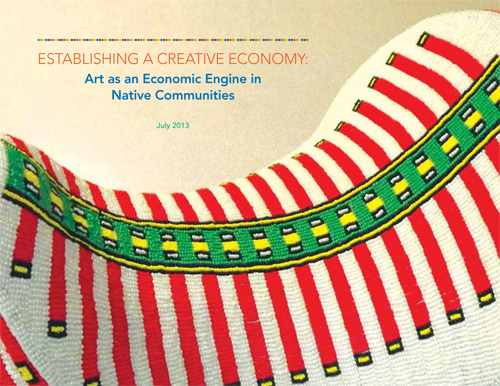
Download:
Enriching our culture and engaging diverse and underserved communities, small arts organizations pop up, flourish, and sometimes flounder, mostly under the philanthropic radar. They often foster artistic expressions not adequately served by larger organizations.
2010, 72 pages, The Urban Institute, 2100 M Street NW, Washington, D.C., 20037, (202) 833-7200 http://www.urban.org
Download:
Classical musics are comparatively rare; they seem to need for their existence not only a leisured class able to command a quantity of surplus resources but also a situation where that class is to some degree isolated from the majority of the people and possesses the social power to represent its own tastes as superior.
America is on the threshold of a significant transformation in cultural life. There have been many cultural shifts in recorded history: Gutenberg's invention of the printing press and the rise of the reading public; the growth of a mercantile class and the birth of private art markets independent of the church and the king; the invention of gas streetlights and the beginning of urban nighttime entertainment. The most recent cultural transformation, still with us today, was set in motion on the threshold of the twentieth century.
April 17-21, 2002, Lexington, Kentucky
• A bilingual play brings together migrant workers and immigrant rights activists in a pointed comedy portraying communications and miscommunications among Anglos and Spanish-speaking peoples living in and working in one community today.
• An African American theater company performs a rollicking — but serious — romp through the cultural changes from Motown to hip-hop, from soul food to vegan, from post-60s to post-modern America.
On November 12, 2000, a headline on the front page of the Atlanta Journal/Constitution read, "Study finds Atlanta arts community trailing peers." A full-page story in Section A followed. This one headline challenged the city's cherished self-assessment as "cultural jewel of the South" and quietly affirmed the suspicions of many of its artists and cultural workers.
This is the story about the headline, the study, and the volunteer efforts of an incorporated ad hoc group that calls itself the Atlanta Arts Think Tank and that commissioned the landmark study.