
Readings
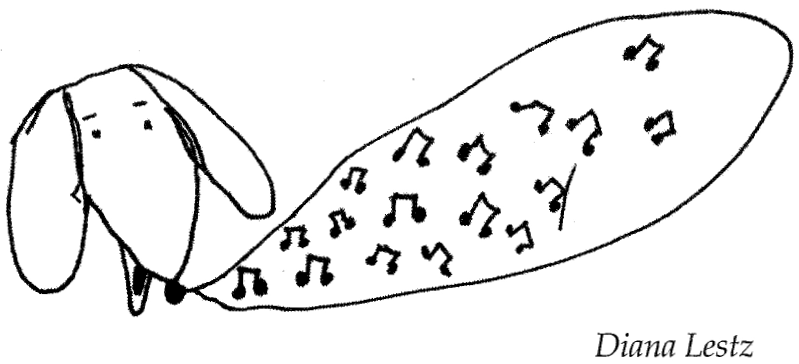
Bess Lomax Hawes first presented “Yeast to Make the Bread Rise” in October 1999 as a keynote address at the Children’s Music Network (CMN) National Gathering in Petaluma, California. In response to enthusiasm from its members, CMN subsequently published the essay in Pass It On! in the fall 2000. The essay is published here with permission from both Hawes and CMN.
Read More...— IRS representative as guest speaker at a festival of the arts
Last year when RAND released The Performing Arts in a New Era, (Performing Arts) the prediction that times were going to be particularly difficult for mid-sized performing arts organizations was widely quoted. It was prominent in press coverage of the report and quickly embraced as a fact by grantseekers and foundation colleagues. I was curious to return to Performing Arts and the conditions it cites for organizations in the middle, to see how they apply to readings of recent field reports for different performing arts disciplines.
Read More...It has been almost two years since I first put fingers to keyboard to write about the rising tide of nonprofit reform. Hardly a day went by without hearing some new idea for improvement, whether embedded in new management standards, bounties for mergers and strategic alliances, or calls for greater "transparency." The problem facing individual nonprofits was not too little reform, but too much.
Read More... Ralph Waldo Emerson (1802-1882)
We just returned from yet another community gathering where arts leaders sought the support of their business and civic counterparts by documenting the "economic impact" of arts spending and employment in their region.
Read More...Meetings are big business. Or, in other words, talk is not cheap. An economic impact study by Deloitte & Touche LLP demonstrated that conventions, expositions, and meetings generated $82 billion in total direct spending in 1994, supporting 1.57 million jobs.1 Meetings of associations and membership organizations, as opposed to corporate-sponsored events, account for the lion's share of this spending (68 percent). Many of these associations serve the arts and culture.
Read More...This article takes a close look at certain internal dynamics that generally accompany "capacity-building" activities. I draw on my experience, over two decades, designing, managing, and evaluating programs aimed at increasing the organizational health of nonprofit arts organizations. Both my work in the arts and a prior career as a family counselor inform my understanding of the ways that the thought processes of nonprofit managers change when capacity-building programs are successful and have an enduring impact.
"Capacity grantmaking"
Read More..."What Shall We Teach the Young" was first presented by the Los Angeles Public Library on December 12, 1999 in a lecture series titled "The Big Questions, a celebration of writing, reading, and public debate." The series was sponsored by the Library Foundation of Los Angeles with funding from the National Endowment for the Humanities and through the generosity of Peg Yorkin. Pinsky's remarks are published here with his permission.
Carol Muske-Dukes
Read More...A New Framework for Building Participation in the Arts
Kevin F. McCarthy and Kimberly Jinnett, RAND, 2001,
112 pages, 310-451-7002, order@rand.org.
Another research report lands on your desk. Do you make time to read it, or does it add to a growing pile of things-to-read-someday?
Read More...Allen Ginsberg begins his essay "Meditation and Poetics" with this paragraph: "It's an old tradition in the West among great poets that poetry is rarely thought of as 'just poetry.' Real poetry practitioners are practitioners of mind awareness, or practitioners of reality, expressing their fascination with the phenomenal universe and trying to penetrate to the heart of it. Poetics isn't mere picturesque dilettantism or egotistical expressionism for craven motives grasping for sensation and flattery.
Read More...