September 2015, 58 pages. DeVos Institute of Arts Management, 1300 Pennsylvania Ave NW, Suite 410, Washington, D.C. 20004. (301) 314-0963. www.devosinstitute.net.
Download:
Contact GIAGIA Reader PublicationBecome A GIA Member
450 Lexington Ave, Unit 4501 | New York, NY | gia@giarts.org

The GIA Library is an information hub that includes articles, research reports, and other materials covering a wide variety of topics relevant to the arts and arts funding. These resources are made available free to members and non-members of GIA. Users can search by keyword or browse by category for materials to use in research and self-directed learning. Current arts philanthropy news items are available separately in our news feed - News from the Field.
September 2015, 58 pages. DeVos Institute of Arts Management, 1300 Pennsylvania Ave NW, Suite 410, Washington, D.C. 20004. (301) 314-0963. www.devosinstitute.net.
Download:
Despite New York City’s status as the dance capital of the United States, rising real estate prices are challenging the city’s ability to serve as a creative incubator, with space — an essential resource for making dance — in waning supply. Choreographers and dancers need to work in a large open area with a sprung floor, but as real estate values climb, long-standing dance studios are being bought by developers and converted into residential or commercial spaces.
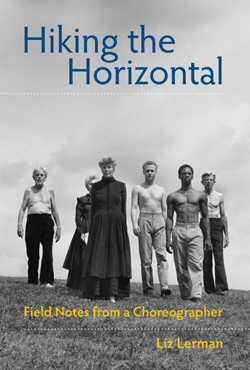
2011, 332 pages, Wesleyan University Press, Middletown, CT
Liz Lerman's body of work has come to symbolize the participatory community arts movement, and this collection of essays delightfully chronicles both her artistic growth as a choreographer and the intellectual process that led her to this path that revolutionized the ways in which dance is developed, performed, and experienced.

Beyond Price: Value in Culture, Economics, and the Arts; Edited by Michael Hutter and David Throsby; Cambridge University Press, 2007, 324 pages
Originally a nautical term, battening down was a procedure to safeguard ships against bad weather. The crew would prepare for an impending storm by fastening canvas over doorways and hatches. Now in the arts, it is a time to take a few deep breaths and batten down the hatches.
Before the house lights dim at a production of Romeo and Juliet, I look for myself and I am delighted to find myself as I was many years ago: A teenaged boy sitting by himself. I recognize him because he keeps checking the number on his ticket against the number on the armrest. All in all, he is pleased with his seat. He wears a sweater and tie. He reads his program with the intensity I used similarly to scrutinize the actors’ biographies, the director’s notes, and the advertisements for after-theater dining.
The current economic climate has forced many nonprofit arts organizations to confront underlying issues. Tensions mount, dollars are scarce, and unresolved weaknesses or fissures often grow. We have seen heartening examples of artists, donors, audiences, and funders rallying to support the art and organizations that they love. In some cases, streamlined, more focused organizations are forging ahead with renewed determination. But in other cases, the economic downturn may herald the time to close the doors.